





A Better Approach to Mail and Parcel Management for Housing Providers
As parcel volumes rise, housing providers and residential building teams are facing growing pressure around security, resident satisfaction, staff workload and common area management. This article explores why delivery infrastructure now matters more than ever.
In many social housing and residential developments, parcels are now arriving faster than buildings are equipped to handle them. What was once a simple mail function has become a wider operational, security and fire safety issue for housing providers, estates teams and building managers.
For housing providers, local authorities and residential management teams, poorly managed deliveries can create avoidable pressure every day. Parcels left in lobbies, overstretched staff, resident complaints, missing items and cluttered communal areas all point to the same issue: many buildings are still relying on delivery arrangements that no longer match modern resident behaviour.
Reviewing how deliveries are managed is no longer just about convenience. It is increasingly part of how providers improve resident experience, reduce manual workload, support safer common areas and plan for the long-term performance of their buildings.
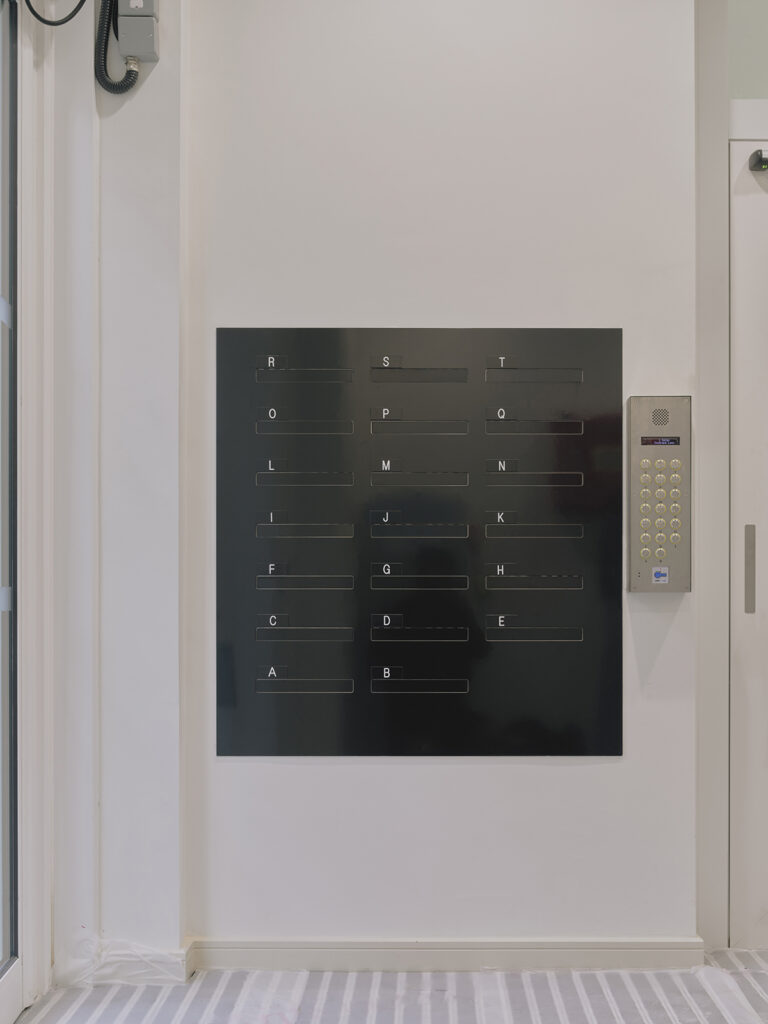
Parcel Growth Is Changing the Demands on Residential Buildings
The wider postal market continues to reflect a long-term shift towards parcel delivery. Ofcom reported that measured UK parcel volumes rose by 7.1% to 4.2 billion items in 2024–25, with domestic and international parcel volumes both increasing year on year. For building operators, that trend has direct consequences inside residential schemes.
For providers and building managers, rising parcel volumes often mean:
– More deliveries arriving at unmanaged or partially staffed entrances
– Greater pressure on housing, concierge or facilities teams
– More parcels being left in unsuitable locations
– Higher risk of clutter in communal areas
– A growing number of resident queries, complaints and missed handovers
This is not just a volume issue. It affects how buildings are run day to day. If deliveries are not stored securely and predictably, staff time gets diverted, residents lose confidence in building services and common parts can quickly become harder to manage well.
For residents, a missed or insecure delivery is not always a minor inconvenience. It can mean delays to essential items, repeated travel, extra cost or frustration with the way the building is managed.
Security Risks Are Increasing
Parcel theft is now a recognised residential security issue, especially where deliveries are routinely left in visible or shared access areas.
Recent UK reporting suggests parcel theft remains a significant and growing issue, with millions of households affected each year and many incidents believed to go unreported.
– Estimated losses of £666.5 million across the UK
– 83 million households affected
– A reported 31% rise year on year
– Very low formal reporting to police relative to estimated theft levels
Residential blocks can be particularly exposed where they have:
– Shared entrances and circulation spaces
– Unsecured drop-off points
– High delivery frequency
– No full-time concierge or reception service
– Limited tracking, accountability or audit trail
For housing providers, secure delivery infrastructure is no longer a nice-to-have. It is becoming part of a broader approach to risk reduction, resident reassurance and better building management.
Why Delivery Management Now Sits Alongside Building Safety
Building safety expectations in England have tightened significantly in recent years. The Building Safety Act 2022 created a stronger framework for accountability, particularly in higher-risk residential buildings, while government guidance continues to emphasise the importance of safe design, management and resident engagement.
For housing associations, landlords and building managers, that means looking closely at how common parts are used and whether everyday building operations introduce avoidable risk.
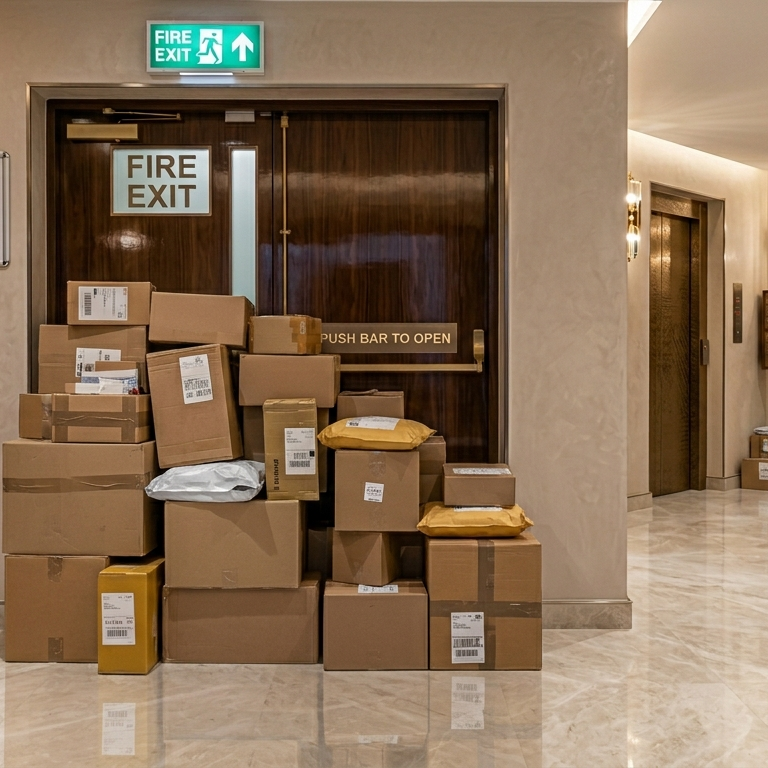
One common problem is the build-up of parcels in entrance lobbies, corridors and other shared areas. Even where this begins as a practical workaround, it can quickly undermine good building management.
Typical concerns include:
– Obstruction or narrowing of escape routes
– Additional combustible material in common parts
– Trip hazards for residents, visitors and responding services
– Difficulty keeping entrances and circulation spaces clear
– A visible impression of disorganisation within the building
Approved Document B continues to reinforce the importance of means of escape being capable of safe and effective use at all material times. While parcel storage is only one part of that picture, unmanaged delivery build-up can work against that objective.
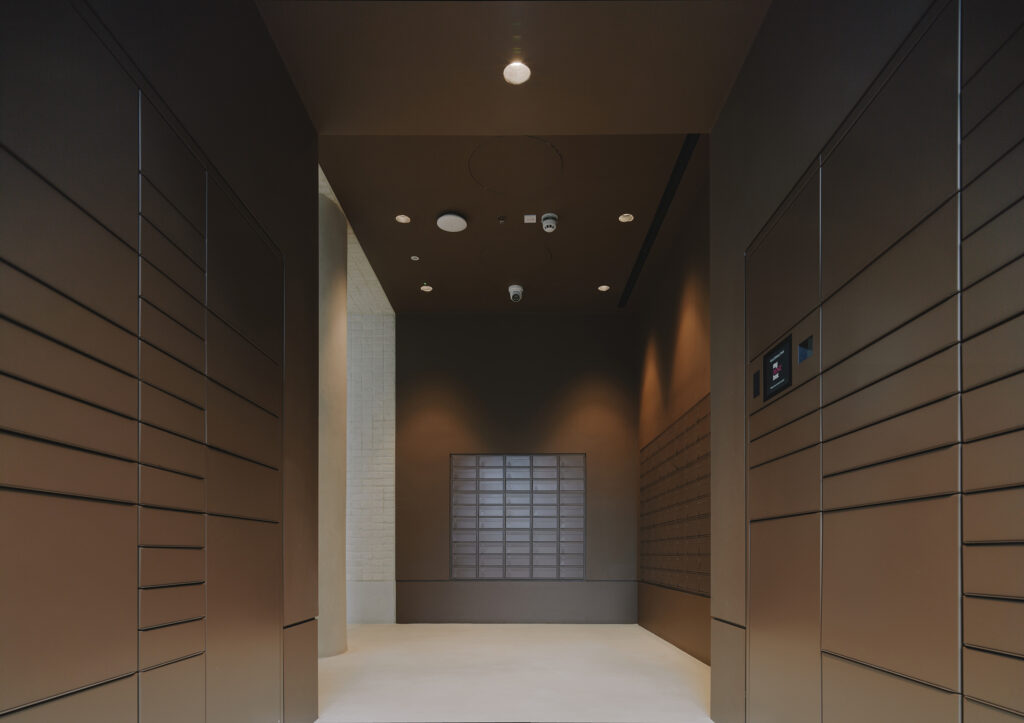
A well-designed mail and parcel system can help:
– Keeping deliveries contained and secure
– Reducing clutter in communal areas
– Supporting a cleaner and more controlled approach to common parts
– Reducing ad hoc storage by staff
– Helping buildings maintain safer day-to-day circulation spaces
For many providers, delivery infrastructure is now part of wider thinking about compliance, common area management and resident confidence in how the building is run.
What Better Delivery Management Means for Residents
Residents want delivery arrangements that feel secure, simple and fair. In practice, that usually means:
– A secure place for letters and parcels
– Reliable access when staff are unavailable
– Less risk of missed or stolen deliveries
– A straightforward collection process
– Confidence that the building is organised and well managed
When those basics are missing, the result is often felt across the whole building operation:
– More resident complaints and follow-up queries
– Greater administrative burden for staff
– More time spent handling exceptions and disputes
– Lower satisfaction with the building experience overall
The right mail and parcel setup can improve resident experience without increasing manual input for staff.
Depending on the building, useful features may include:
– Secure parcel compartments
– Controlled resident access
– Clear identification and allocation of deliveries
– Integrated tracking or notification options
– Products suited to the fire, security and design needs of the building
Reducing Pressure on Housing and Building Management Teams
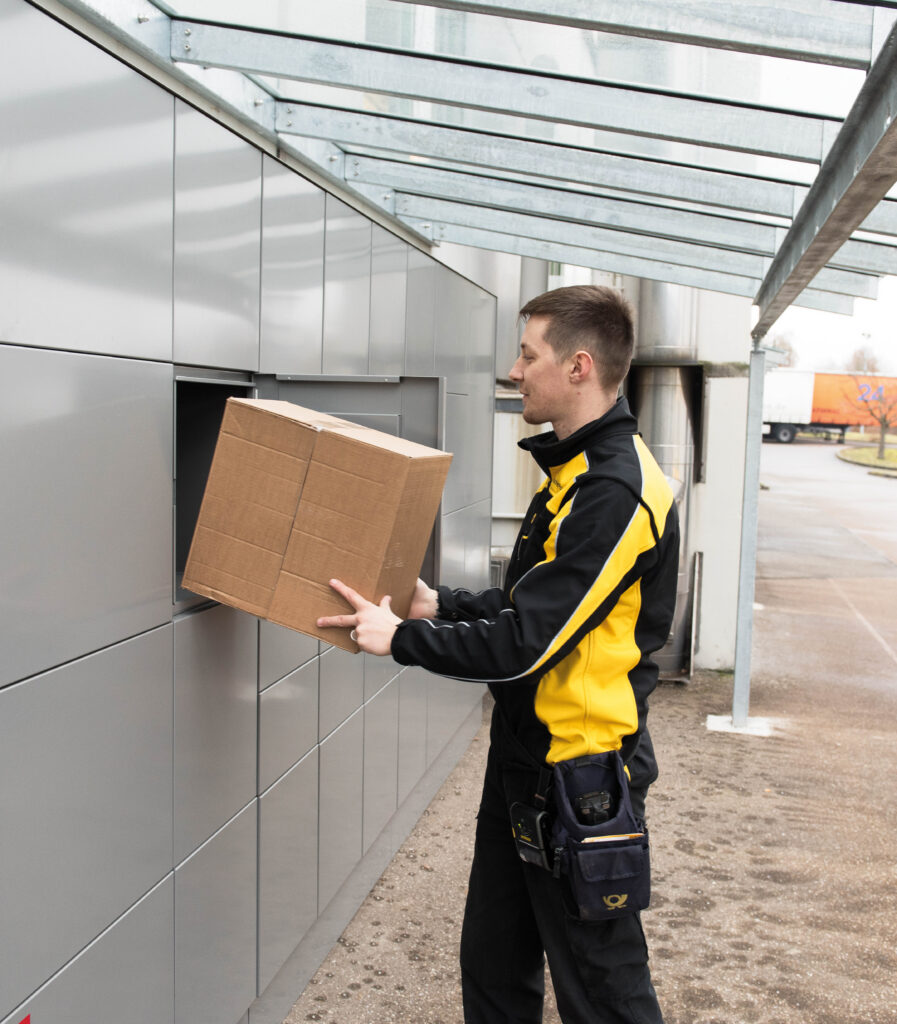
Where delivery management is still handled manually, hidden costs build up quickly. Staff can find themselves pulled into tasks that sit outside their core priorities.
That can include:
– Accepting and storing parcels by hand
– Managing collection logs or informal handover records
– Tracing missing items
– Dealing with disputes over receipt or access
– Responding to repeat resident enquiries
As parcel numbers rise, that approach becomes harder to justify, especially where teams are already balancing tenancy, compliance, repairs and resident support.
A better system can help reduce those pressures and create a more consistent process. Benefits can include:
– Less staff intervention in day-to-day deliveries
– Clearer accountability and audit trail
– Lower risk of disputes around missing parcels
– Better use of entrance and storage space
– A more secure and predictable resident experience
This is particularly relevant for buildings without a full-time concierge or reception service, where unattended deliveries need a safer and more reliable solution.
Questions to Ask When Reviewing Your Current Setup
If you are reviewing delivery arrangements across a scheme or portfolio, these questions can help identify whether the current setup is still fit for purpose:
– Are parcels regularly left in lobbies, corridors or near entrance doors?
– Do staff spend significant time accepting, storing or tracing deliveries?
– Are residents reporting lost, delayed or stolen parcels?
– Is parcel storage contributing to clutter in common parts?
– Can residents access deliveries securely when staff are unavailable?
– Does the current setup suit the size, layout and occupancy of the building?
What a Good Parcel Management Solution Should Deliver
While every building is different, a good solution should provide:
– Secure storage for letters and parcels
– Reduced clutter in communal areas
– Easy and reliable access for residents
– Minimal manual handling for staff
– Traceability and accountability
– Suitability for the building type and resident profile
– Alignment with wider fire safety and security considerations
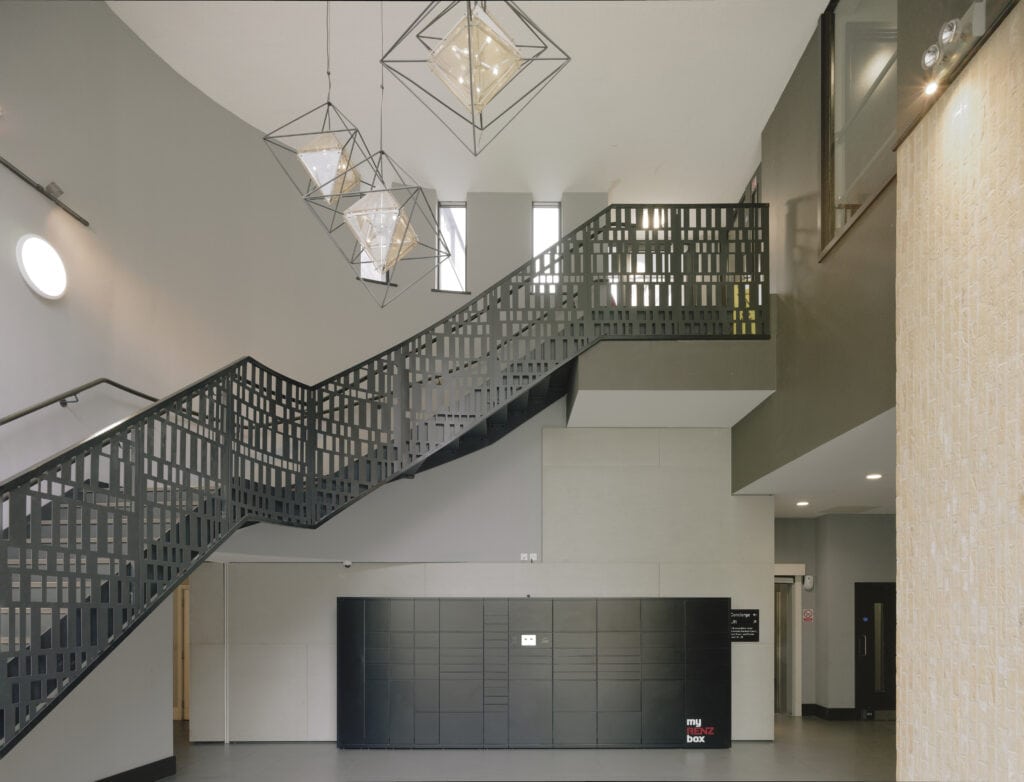
Planning for Better-Managed Buildings
As parcel volumes continue to grow, delivery infrastructure is becoming a more important part of building operations. For Housing Associations and building managers, the goal is not simply to make deliveries easier. It is to reduce risk, support resident satisfaction and create a more controlled, efficient environment in shared residential spaces.
That makes this a good time to review whether existing mail and parcel arrangements still match the needs of the building and the people who manage and live in it.
At The Safety Letterbox Company, we work with housing providers, local authorities, developers and design teams to support safer, more practical mail and parcel management in residential buildings.
From fire-rated mailbox systems to secure parcel solutions, the right approach can help reduce pressure on staff, improve the resident experience and support better-managed buildings over the long term.
For organisations planning upgrades across new-build or existing residential schemes, expert support can help ensure the solution is practical, compliant and suited to the needs of the building.
Speak to The Safety Letterbox team today about the right mail and parcel solution for your scheme.
We support Housing Associations, local authorities and building managers with specification, design and drawings, portal uploads, installation, after-sales service, and ongoing customer service and support to help deliver safer, more practical mail and parcel solutions.